
The High Atlas Mountains in Morocco
Home ❯ The High Atlas Mountains in Morocco
The High Atlas Mountains in Morocco
- Morocco, Marrakech
Duration
3 days / 2 nights
Starting point
Marrakech
End point
Marrakech
Book now
Description
The High Atlas Mountains in Morocco are part of the great Atlas range, which stretches some 2,500 km across Morocco, Algeria and Tunisia. Its highest peak is Jebel Toubkal, at 4,167 meters, in southwestern Morocco. These mountains separate the Mediterranean and the Atlantic coast from the Sahara Desert and are mainly inhabited by Berber communities, whose culture is still very much alive in the region.
Highlights
- Crossing the Tizi n'Tichka pass with panoramic views of the Atlas
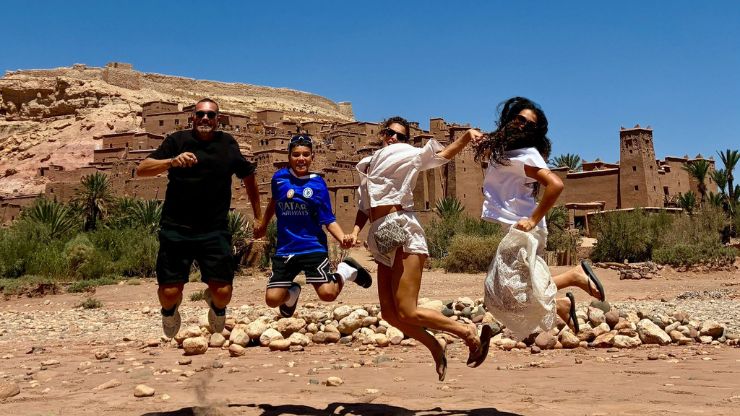
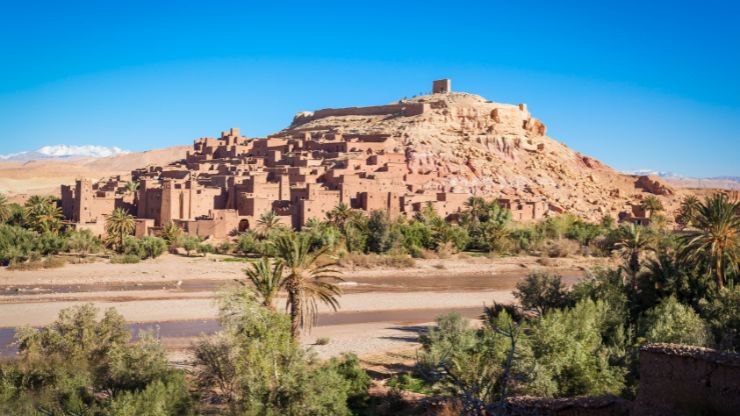
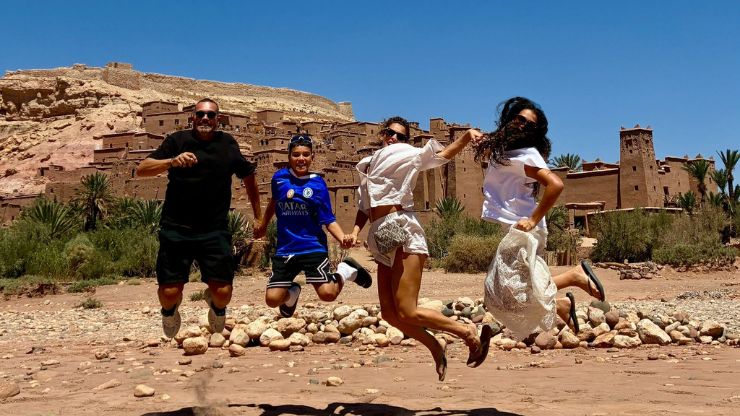
- Visit to the famous Kasbah of Ait Ben Haddou
- Traditional Berber village experience
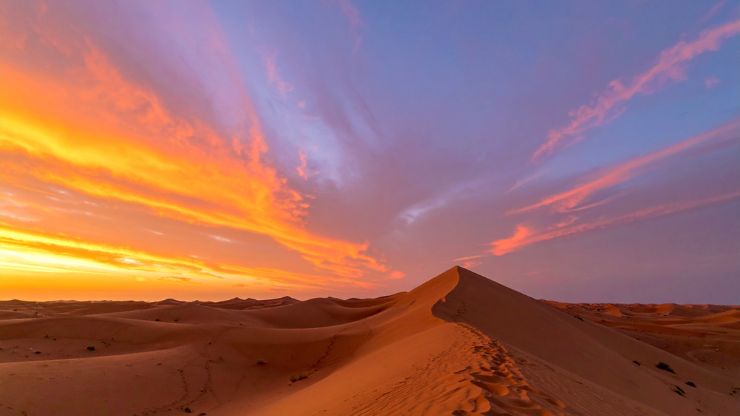
- Sunset camel ride in Erg Chebbi
- A night under the stars at the desert camp
Tour itinerary
The High Atlas Mountains in Morocco
Geology
The bedrock of most of Africa was formed in the Precambrian and is much older than the Atlas range. The Atlas was formed in three major stages of Earth’s history. The first, about 300 million years ago in the Paleozoic, created the Anti-Atlas as a result of the collision between Africa and North America, which were then joined. That range once rivaled today’s Himalayas, and its remains can be seen today in the Appalachians in North America. The second stage took place in the Mesozoic, when the Earth’s crust stretched and separated the continents, forming large sedimentary basins; most of the rocks that make up the High Atlas today were deposited under the ocean at that time. Finally, in the Cenozoic, the collision between Africa and Europe raised the mountains that form the Atlas today, the same process that formed the Alps and the Pyrenees and closed the Strait of Gibraltar. Interestingly, the crust beneath the Atlas is relatively thin for such a high range, and recent studies suggest that deep processes in the Earth’s mantle helped raise the High and Middle Atlas.
Photo gallery
Related tours from Marrakech
3-day tour from Marrakech via Merzouga
- 3 days / 2 nights
- Marrakech
4-day route from Marrakech via Merzouga
- 4 days / 3 nights
- Marrakech
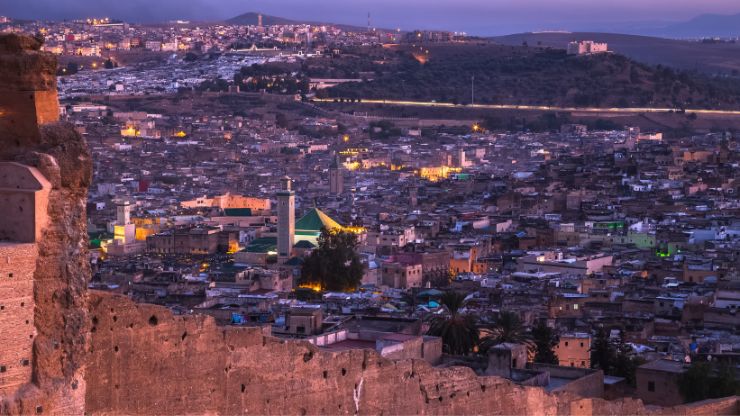
8-day route from Marrakech to Fez through the desert
- 8 days / 7 nights
- Marrakech